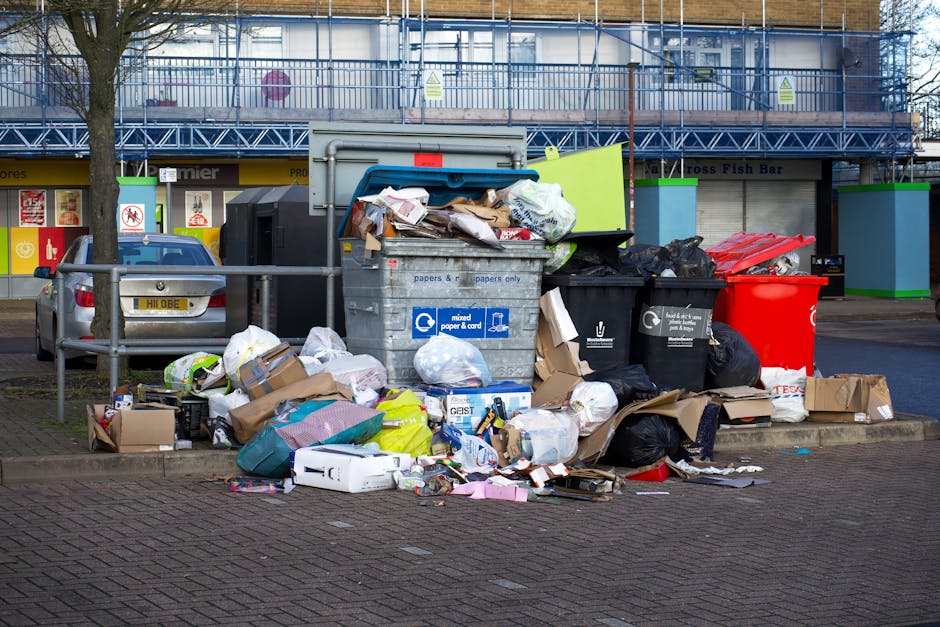
Sloane Street Knightsbridge rubbish disposal council rules: a practical local guide
If you live, work, or manage property near Sloane Street in Knightsbridge, rubbish disposal can feel oddly complicated. One minute you are dealing with a few bin bags after a clear-out, the next you are wondering what the council expects, what counts as fly-tipping, and where bulky waste actually belongs. The rules matter more than most people realise. Follow them, and everything stays tidy and straightforward. Miss them, and you can end up with delays, fines, complaints, or a heap of mess outside the property. This guide explains Sloane Street Knightsbridge rubbish disposal council rules in plain English, with practical steps you can use right away.
Why Sloane Street Knightsbridge rubbish disposal council rules matters
Sloane Street is not the kind of place where waste can be left to chance. It is busy, highly visible, and full of residents, managed buildings, retail frontages, and service access points where even a small pile of rubbish becomes noticeable fast. That visibility changes everything. A bag left in the wrong place before collection can obstruct pedestrians. A sofa placed out too early can invite complaints. Builders' rubble dumped carelessly can create a real safety issue.
To be fair, rubbish rules matter anywhere in London. But in Knightsbridge, the margin for error is slimmer. Streets are tighter, access can be awkward, and building managers are often strict about presentation, timings, and authorised collections. If you are handling waste for a flat, house, office, or refurbishment project, you need a system rather than guesswork.
There is also a reputational side. Let's face it: nobody wants to be the person who leaves a broken wardrobe or black bags outside a prestigious street and hopes for the best. Following the correct disposal route helps you protect the property, avoid disputes, and keep the area looking the way residents expect it to look.
Practical takeaway: On Sloane Street, the safest approach is to assume waste needs planning, not improvisation. The more visible or bulky the item, the more important that planning becomes.
If your waste includes furniture, mixed household items, or post-refurbishment debris, you may also want to review the options for house clearance, flat clearance, and builders waste clearance so the disposal method matches the material, not just the inconvenience.
How Sloane Street Knightsbridge rubbish disposal council rules works
In simple terms, rubbish disposal rules in this part of London usually revolve around three things: what the waste is, where it is left, and how it is collected or removed. That sounds obvious, but in practice each part has its own quirks.
1. The type of waste decides the route
General household rubbish is usually handled differently from bulky waste, garden waste, construction debris, or commercial waste. A bag of everyday refuse may fit a standard collection routine. An old mattress, broken desk, or renovation debris usually does not. If you misclassify the waste, you may end up with a missed collection or a property manager telling you to remove it immediately. Not ideal.
2. The collection point must be sensible
On a street like Sloane Street, placement matters. Waste should not block pavements, doors, fire exits, driveways, loading bays, or shared access routes. In many buildings, items need to be taken to a designated point rather than left on the public highway. If you are in a managed flat or mixed-use block, the building rules may be stricter than the general council guidance. That is one of those annoying little realities of London living.
3. Timing is part of compliance
Even if an item is eligible for removal, it may not be allowed to sit outside for long. Early placement can attract complaints, pests, weather damage, or accidental obstruction. In practice, the best approach is often to set out waste as late as possible before collection, or arrange a timed removal service that handles it directly from inside the property.
4. Some materials need special handling
Electronics, paint, chemicals, sharp items, and certain renovation materials may need extra care. If you are unsure, do not just bundle them into a normal bag and hope nobody notices. That is the sort of shortcut that causes problems later. A responsible waste remover will separate recyclable material where possible and handle the rest according to accepted UK waste practice.
For larger clear-outs, many people combine more than one service. For example, a landlord clearing a small rental flat might use furniture disposal for bulky items and waste removal for mixed rubbish that does not fit normal collection routines.
Key benefits and practical advantages
Following local disposal rules is not just about avoiding penalties. It makes the whole process calmer, cleaner, and easier to manage. In real life, that matters a great deal. Waste problems have a habit of snowballing. One unsorted load becomes two, then suddenly there are bags, boxes, and broken furniture in different corners of the property. Mess loves company.
- Less risk of complaints: Neighbours, residents, and building staff are far less likely to object when waste is handled neatly and on time.
- Cleaner access routes: A tidy pathway matters in a busy area where pedestrians, deliveries, and vehicles all need space.
- Better recycling outcomes: Sorted waste is easier to divert from landfill, especially when items can be separated properly.
- Fewer delays: Using the right collection method reduces the chance of a refused pickup or a return visit.
- Reduced property hassle: Managed waste keeps communal areas, entrances, and pavements in better condition.
There is another benefit that people underestimate: mental relief. Once the rubbish is gone properly, the flat or office feels lighter. The sound changes a bit too. Less echo, less clutter, less visual noise. It sounds small, but if you have ever done a clear-out on a damp London afternoon, you know exactly what I mean.
Who this is for and when it makes sense
This topic is relevant to a fairly wide group of people, not just homeowners. Knightsbridge properties tend to change hands, refurbishments happen, and flat turnover can be brisk. That means rubbish disposal is often somebody's responsibility, even if they are only dealing with it for a short time.
Typical people who need this guidance
- Residents disposing of household rubbish, bulky items, or end-of-tenancy waste
- Landlords arranging clearance between occupiers
- Letting agents and property managers coordinating collections
- Office managers handling desk clear-outs, archive waste, or furniture replacement
- Contractors and tradespeople managing light construction debris
- Household members helping older relatives with a clear-out
It also makes sense when the waste is awkward. A couple of bin bags are one thing. A heavy sofa, a pile of wardrobe panels, or rubble from a bathroom refresh is another matter altogether. The more cumbersome the waste, the more likely council collection alone will not be enough.
If the job is part of a move, declutter, or probate process, you may also find home clearance and loft clearance useful because they handle the sort of mixed items that build up quietly over time.
Step-by-step guidance
Here is the practical version. If you want to stay on the right side of Sloane Street Knightsbridge rubbish disposal council rules, work through the job methodically.
- Identify the waste type. Separate general rubbish, recyclable items, bulky furniture, garden material, and any construction debris.
- Check access and collection limits. Look at whether the waste can be placed at the kerbside, inside a bin store, or needs to be removed from within the property.
- Sort what can be reused or recycled. Keep reusable items separate where practical. It saves time later and supports better disposal outcomes.
- Bag and bundle safely. Use sturdy bags, tape, or wrapping for sharp or loose items. Nobody enjoys a ripped bag on a communal staircase.
- Keep waste out of the way until collection. Don't set it out too early if it could block access or attract attention.
- Use the right service. If the waste is more than standard household rubbish, arrange a suitable collection or clearance provider.
- Confirm the final destination. Ask how items will be sorted, recycled, or disposed of so you know the job is being handled properly.
Here is the easy rule of thumb: if you would hesitate to place it next to a front door or in a shared hallway, it probably needs a more careful plan than a basic bin collection.
For commercial premises, the same logic applies, only stricter. Businesses generate more varied waste, and mixed rubbish can become a nuisance fast. That is why business waste removal is often the cleaner solution for offices, clinics, boutiques, and similar premises.
Expert tips for better results
Here is where small decisions make a big difference. These are the kind of things that save time on the day, especially if you are dealing with tight access or a building that does not forgive mistakes.
- Measure bulky items before you book. Doorways, lifts, and stairwells in older Knightsbridge buildings can be less generous than you expect.
- Photograph the waste first. A quick image helps if you need to explain the load to a clearance provider or building manager.
- Separate recyclables early. Cardboard, metal, and clean timber are easier to manage if they are not mixed with general rubbish.
- Watch shared areas carefully. Hallways and service entrances need extra care in managed blocks.
- Plan around peak traffic. Sloane Street can be busy. Moving items at the wrong time can turn a simple job into a frazzled one.
- Keep a small buffer window. Unexpected delays happen. A lift may be booked, rain may arrive, or a contractor may run late. London, as ever, has opinions.
One of the most useful habits is to think in layers: what can be reused, what can be recycled, and what genuinely needs disposal. That mindset usually saves money and stress. It also keeps the job tidy, which is half the battle.
If you are clearing outdoor material such as soil, branches, broken planters, or shed contents, it may be worth looking at garden clearance so the removal is handled with the right tools and vehicle type.
Common mistakes to avoid
Most rubbish disposal problems come from rushed decisions. Not bad intentions, just haste. People assume the collection will sort itself out, and that is where the trouble starts.
- Leaving waste in the wrong place: A pavement, shared entrance, or loading area is not a safe default.
- Mixing hazardous and general waste: Paint tins, sharp objects, or electrical items should not be tossed in blindly with household rubbish.
- Assuming bulky items count as normal rubbish: They often need a separate arrangement.
- Setting waste out too early: This can create obstruction, complaints, and weather damage.
- Ignoring building rules: Managed blocks often have their own procedures, and those can be stricter than people expect.
- Choosing the cheapest option without checking scope: Cheap can become expensive if the wrong load is collected and the rest is left behind.
Here is the unglamorous truth: the biggest mistake is usually not the rubbish itself, it is the lack of sorting before the collection day. A few extra minutes spent organising things properly can prevent a surprisingly large headache later.
Tools, resources and recommendations
You do not need a truckload of equipment to manage a compliant disposal job, but a few simple tools help a lot. Nothing fancy. Just practical bits that make the work safer and easier.
- Heavy-duty refuse sacks for bagged household waste
- Label stickers or marker pens to identify items that must stay separate
- Protective gloves for handling mixed or sharp waste
- Tape and wrap for binding loose parts or protecting sharp edges
- A measuring tape for bulky items and access checks
- A mobile phone camera to record the load before disposal
For a more complete job, some readers prefer to use a full-service clearance route rather than piece-by-piece disposal. That can be especially helpful if a property needs clearing quickly after a tenant move, refurbishment, or change of use. In those situations, house clearance and office clearance are often the most practical options.
You may also want to review the company's approach to recycling and sustainability, health and safety policy, and insurance and safety so you know the disposal process is being handled responsibly.
Law, compliance, standards, or best practice
Waste handling in the UK sits within a broader legal and practical framework, and while you do not need to become a compliance specialist just to clear a flat, you do need to follow sensible standards. The main idea is straightforward: waste should be stored, moved, and disposed of in a way that does not create nuisance, danger, or illegal dumping.
In practice, that means:
- Do not leave waste where it obstructs the public highway or communal access.
- Do not assume the council will take every item without notice or booking.
- Do not pass waste to an unverified collector and hope for the best.
- Do keep records or confirmation where a disposal arrangement has been made for a property manager, landlord, or business file.
For commercial waste, extra care is sensible because business premises often produce mixed loads, packaging, archives, fixtures, and replacement furniture. A proper provider should be clear about what they take, how items are sorted, and how they support responsible disposal. If you want to understand the service terms and payment expectations before you book, it is worth reading the company's terms and conditions and payment and security information.
One last point: if you are ever unsure whether something is treated as normal rubbish, bulky waste, or something requiring special handling, ask before collection. That small pause can save a lot of trouble. Honestly, it is one of the few times hesitation is the smart move.
Options, methods, or comparison table
Different waste scenarios call for different methods. The best choice depends on what you are disposing of, how much there is, and how quickly it needs to go. Here is a simple comparison to make that easier.
| Method | Best for | Advantages | Limitations |
|---|---|---|---|
| Standard council collection | Everyday household rubbish and routine waste | Simple for basic loads, familiar process | Usually less suitable for bulky or mixed items |
| Bulky item removal | Sofas, mattresses, wardrobes, large broken items | Handles awkward objects more efficiently | May require booking and clear access |
| Full property clearance | Move-outs, refurbishments, probate, deep decluttering | Fast, organised, less effort for the occupier | Needs planning and may be more involved |
| Commercial waste service | Offices, shops, managed business premises | Better for recurring or mixed business waste | Must align with business waste responsibilities |
If you are comparing methods, ask yourself one question: do you want the waste simply removed, or do you want the whole situation made easier? Those are not always the same thing.
Case study or real-world example
Imagine a small apartment near Sloane Street where a tenant has moved out, leaving a broken table, a few bags of general rubbish, packaging, and a tired-looking office chair. The building manager wants the entrance kept clear, and the resident does not want items sitting in the corridor overnight. Straightforward? Sort of. But only if it is planned properly.
In a case like this, the most sensible approach is to separate the rubbish into groups. General waste goes in sealed bags. The chair and table are listed as bulky items. Cardboard is flattened. Anything reusable is set aside. Then the removal is booked for a specific time so nothing sits around longer than needed.
What usually happens when people do this well is almost boring, which is exactly the point. The items are removed quickly, the corridor stays clear, and nobody has to send a follow-up email. No drama. No mystery smells drifting from a hallway corner. Just a clean finish and a property ready for its next use.
Now compare that with the rushed version: bags left by the front door, furniture shoved near a lift, and a building manager chasing someone to move it before the afternoon. That version costs more in stress than money. And stress, frankly, is expensive in Knightsbridge.
Practical checklist
Use this simple checklist before arranging disposal on or near Sloane Street:
- Identify the waste type and separate general rubbish from bulky or special items
- Check building rules, access rules, and any shared-area restrictions
- Measure large furniture or boxed items before collection day
- Bag loose waste securely and keep sharp objects protected
- Decide whether reuse or recycling is possible for any items
- Confirm the collection time and keep access routes clear
- Make sure nothing is left in a corridor, entrance, or on the pavement without permission
- Keep any notes, confirmations, or booking details in case they are needed later
- Choose the appropriate service for the waste type rather than forcing everything into one category
- Review the provider's process for recycling, safety, and payment before booking
If the job has become bigger than expected, that is usually a sign to step back and use a proper clearance service rather than trying to patch it together with a few bin bags and good intentions.
Get a free quote today and see how much you can save.
Conclusion
Sloane Street Knightsbridge rubbish disposal council rules are really about keeping waste controlled, sensible, and out of the way. That sounds simple, but in a busy, high-profile part of London, the details matter. The right disposal method protects the street scene, respects neighbours, keeps buildings compliant with local expectations, and makes life easier for everyone involved.
If you remember only one thing, make it this: match the disposal method to the waste type. Small routine rubbish can often be managed differently from bulky items, business waste, or clear-outs after a move. Get that match right, and the rest becomes much more manageable.
And if the job feels a bit larger than you expected this morning, that is fine. Happens all the time. Take it step by step, keep the route clear, and the place will feel calm again before you know it.
Frequently Asked Questions
What are Sloane Street Knightsbridge rubbish disposal council rules in simple terms?
They are the local expectations and practical rules around how waste should be stored, separated, presented, and removed so it does not block access, cause nuisance, or create a disposal problem.
Can I leave rubbish outside on Sloane Street for collection?
Only if it is allowed and timed properly. Waste should not block the pavement, entrances, or shared access. In managed buildings, the building rules may be stricter than general collection habits.
Do bulky items count as normal rubbish?
Usually not. Sofas, wardrobes, mattresses, and similar items often need a separate collection arrangement because they are awkward to move and may not fit routine disposal methods.
What should I do with mixed household waste after a clear-out?
Separate what can be reused or recycled, bag the general waste securely, and arrange the correct collection method for the rest. Mixed loads are easier to handle when sorted before collection day.
Is council collection enough for a full flat clearance?
Sometimes for very small amounts, but often not for larger clear-outs. If there is furniture, mixed rubbish, or items from several rooms, a dedicated clearance service is usually more practical.
How do I avoid complaints from neighbours or building management?
Keep waste out of communal areas as much as possible, set it out late, use proper collection timing, and avoid leaving bulky items where they obstruct people. A neat approach prevents most arguments before they start.
What if I have construction waste from a refurb?
Builders' waste needs special attention. Dust, rubble, timber, plasterboard, and packaging should not be treated like everyday rubbish. A dedicated builders waste clearance option is usually the safer choice.
Can businesses near Sloane Street use the same disposal approach as households?
Not always. Businesses often generate different waste streams and may need a business waste removal solution that suits their volume, frequency, and duty of care expectations.
How can I tell whether a waste collector is suitable?
Check that they can handle your waste type, explain what they take, and describe how items are sorted or disposed of. Clear communication is a good sign. Vague answers are not.
What is the safest way to handle old furniture disposal?
Measure the item, check the access route, and arrange a removal method that can move it without damage to walls, lifts, or shared spaces. For awkward or heavy items, furniture disposal is often the cleanest route.
Do I need to sort recycling before booking a clearance?
It helps a great deal. Sorting cardboard, metal, clean wood, and reusable items in advance usually makes the collection easier and supports better recycling outcomes.
Where should I start if I am overwhelmed by the amount of waste?
Start with one room or one category of waste at a time. If that still feels too large, choose a wider service such as house clearance or home clearance so the job is handled in a single, organised visit.