Residential Recycling: Key to Environmental Preservation
Introduction
Residential Recycling: Key to Environmental Preservation is more than a slogan--it is a practical blueprint for protecting air, water, soils, and biodiversity while saving households money and strengthening local economies. When families sort paper, cardboard, glass, metals, plastics, food scraps, textiles, and e-waste correctly, they convert everyday discards into feedstock for new products, reduce demand for virgin materials, and prevent methane, a potent greenhouse gas, from leaking out of landfills. In short, recycling at home is one of the simplest, most impactful climate actions available to every household.
This comprehensive, expert-led guide explains why household recycling matters, the proven benefits, and exactly how to set up a low-effort, high-impact system in any home--from flats to terraced houses and rural cottages. You will also find UK-focused laws, a practical checklist, and detailed answers to the most common questions, so you can implement best practices with confidence. Whether you are starting from scratch or fine-tuning a long-standing routine, this resource will help you master residential recycling for environmental preservation and outperform typical results.
Table of Contents
- Why This Topic Matters
- Key Benefits
- Step-by-Step Guidance
- Expert Tips
- Common Mistakes to Avoid
- Case Study or Real-World Example
- Tools, Resources & Recommendations
- Law, Compliance or Industry Standards (UK-focused)
- Checklist
- Conclusion with CTA
- FAQ
Why This Topic Matters
Every item we use has a story--extraction, manufacturing, transport, and disposal--and each stage carries environmental costs. Residential recycling transforms the final chapter of that story. Instead of becoming waste, materials become resources. This shift fuels the circular economy, a system that designs out waste and pollution, keeps products and materials in use, and regenerates natural systems.
The stakes are significant:
- Climate impact: Landfilled organic waste generates methane, a greenhouse gas with far greater short-term warming potential than CO2. Diverting food waste to anaerobic digestion or composting avoids methane and can create renewable energy or soil amendments.
- Resource conservation: Recycling aluminium saves up to ~95% of the energy required to make it from raw bauxite. Recycled steel saves ~60-74% energy, paper ~40%, glass ~20-30%, and many plastics can save substantial energy compared with virgin production.
- Pollution reduction: Properly handling hazardous items like batteries and electronics prevents heavy metals and chemicals from leaching into soil and water.
- Economic resilience: Recycled materials supply domestic manufacturers, reduce dependence on volatile commodity markets, and create local jobs in collection, sorting, reprocessing, and remanufacturing.
Globally, household recycling rates vary widely. The UK's household recycling rate has hovered around the mid-40% range in recent years, with Wales consistently among world leaders, and the EU average somewhat higher. Many communities still face contamination challenges and inconsistent collections. That variability underscores why a household-led approach--clear labeling, correct sorting, and responsible disposal--remains essential for unlocking the full environmental and economic benefits of recycling.
Key Benefits
1) Climate and Air Quality
Residential Recycling: Key to Environmental Preservation is evident in climate terms: diverting paper, cardboard, metals, glass, and especially food waste away from landfill reduces both methane emissions and the energy demand associated with virgin material extraction and processing. Less energy use means fewer emissions from power generation and industrial facilities, culminating in cleaner air and a smaller carbon footprint.
2) Resource and Habitat Protection
Recycling paper preserves forests; recycling metal reduces mining; recycling glass and plastics cuts extraction and processing of sand, limestone, petroleum, and natural gas. This conservation has downstream benefits: improved biodiversity, less soil and water disruption, and reduced environmental degradation--vital components of environmental preservation through residential recycling.
3) Economic Savings at Scale
While individual savings may look small at first (e.g., fewer rubbish bags, reduced trips to the tip), the aggregate impact is substantial. Councils spend less on residual waste disposal (including landfill tax and gate fees) and more on value-creating recycling. These savings can support better local services and keep council taxes stable.
4) Reduced Litter and Community Pride
Communities that recycle consistently often see lower littering and fly-tipping. Visibility of good behaviors--stacked cardboard, rinsed tins, secured lids--creates social norms. Well-maintained public and shared bins instil civic pride and make streets safer and more welcoming.
5) Household Convenience and Space
When set up properly, a home recycling system actually reduces clutter. Flattened cardboard and compacted plastics take up less space, collection schedules are predictable, and special drop-off routines for e-waste or hazardous materials keep homes tidy and safe.
6) Education and Life Skills
Teaching children and teens to recycle correctly is an easy, hands-on sustainability lesson that builds responsible habits for life. Labelling bins and assigning "recycling captain" roles make participation fun and effective.
Step-by-Step Guidance
Use this practical, sequenced framework to build a reliable home system. Consider it your residential recycling playbook--adaptable to flats, terraced houses, or larger properties.
-
Audit your waste for one week.
Collect and observe everything you discard: paper/card, metals (tins, cans), glass, plastics, food scraps, textiles, batteries, and electronics. Note contamination hotspots (e.g., greasy packaging, food residue, black plastic trays). A quick audit reveals your biggest opportunities.
-
Learn your local rules.
Check your council's accepted materials, color codes, and pick-up schedule. Rules differ by area (e.g., whether to separate glass, the types of plastics accepted, and the presence of weekly food waste collection). Look for an official "what goes where" guide and bookmark it.
-
Design your in-home stations.
Place a small bin or bag for each stream where waste is generated: paper by printer/desk, a caddy for food scraps in the kitchen, a tub for glass near the pantry, a small box for batteries near the entry drawer. Proximity boosts compliance.
-
Label clearly and use visuals.
Use large, color-coded labels with examples: "Paper & Card (clean, dry)," "Containers (rinsed tins, cans, plastic bottles)," "Glass (no ceramics)," "Food Caddy (no plastic liners unless certified)." Pictures help children and guests participate accurately.
-
Prep items in seconds, not minutes.
Adopt the 10-second rule: quick rinse, shake dry, and flatten. Keep bottle caps on if your council instructs, otherwise remove and include them separately. Flatten boxes to save space and prevent windblown litter.
-
Prevent contamination.
Greasy pizza boxes? Tear off and recycle the clean lid; bin or compost the oily base. Avoid bagging recyclables in black sacks unless your council requires clear bags. Keep food and liquids out of the dry recycling stream.
-
Schedule the flow.
Align your routine to kerbside collection days. Move indoor bins to outdoor containers the evening before collection. For flats, learn the building's recycling room location, access hours, and rules for bulky items.
-
Deal with special items responsibly.
Batteries, bulbs, and electronics require designated drop-off points or retailer take-back. Store them in a clearly marked, child-safe container until you have enough for a single trip.
-
Include organics.
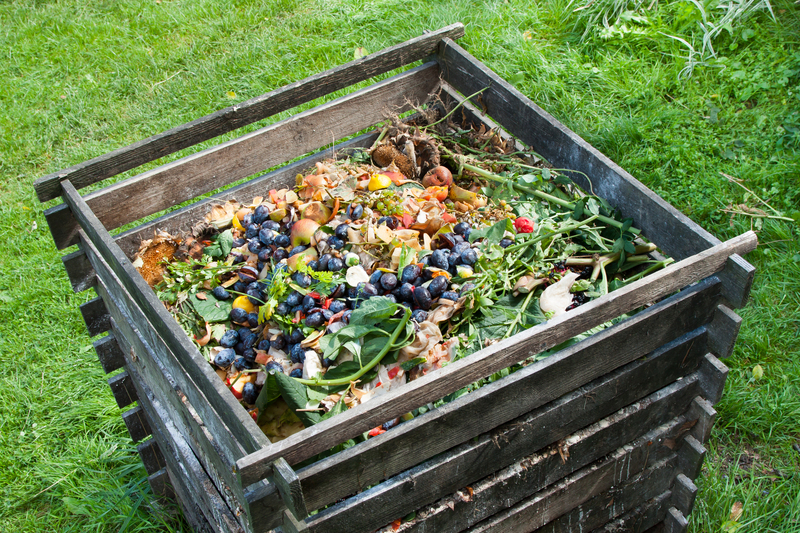
If your council provides food waste collection, use it. Otherwise, consider home composting (for suitable garden and kitchen waste) or community compost schemes. Keep the caddy clean with a liner if allowed and wash it regularly.
-
Track and improve.
Every few months, re-audit. Are you still producing a lot of single-use plastics? Could you switch to refillables or bulk purchases? The goal is to move up the waste hierarchy: prevent, reduce, reuse, then recycle.
Expert Tips
- Follow the Waste Hierarchy. Recycling is powerful, but prevention and reuse are even better. Choose durable goods, refill stations, and repair services when possible.
- Use the OPRL label in the UK. The On-Pack Recycling Label tells you how to dispose of packaging correctly. If it says "Recycle - Rinse," do a quick swish and drain; if "Don't Recycle," look for alternatives next time.
- Keep caps on bottles if accepted. Many UK programmes now accept bottles with caps on; they're easier to sort and recycle when attached. Check local guidance.
- Flatten and nest wisely. Flatten boxes and avoid stuffing mixed materials into each other (e.g., tins inside plastic bottles) unless your council says otherwise. Nesting can confuse sorting machinery.
- Create a "holding zone." A lidded tote near the door or in the boot lets you accumulate special items (batteries, light bulbs, small WEEE) for a single, efficient drop-off.
- For flats and HMOs: Advocate for adequate shared bins, clear signage, and frequent collections. A tidy bin room with good lighting and simple rules dramatically reduces contamination.
- Stop wishcycling. When in doubt, check the rules rather than tossing a questionable item into recycling. Contamination can send entire loads to disposal.
- Rinse smart. A brief cold-water rinse or a wipe with used dishwater is enough. Don't waste energy on hot water; aim for "clean enough" to prevent odour and residue.
- Leverage community power. Street WhatsApp groups and residents' associations can share reminders, troubleshoot tricky items, or organize swap days for reusable goods.
- Seasonal surge planning. After holidays and moving days, break down boxes fully, bundle them, and stagger set-outs if your bin is full to prevent windblown litter.
Common Mistakes to Avoid
- Wishcycling. Putting "maybe" items into the recycling bin can contaminate whole loads. If the label or council guide says no, it's a no.
- Bagging recyclables in black sacks. These are often treated as residual waste. Use open bins, clear bags (if required), or council-issued containers.
- Liquid and food residue. Unrinsed containers leak and soil paper/card. Quick rinse, air dry--done.
- Mixing hazardous items with household streams. Batteries, vapes, and electronics can cause fires in collection vehicles and MRFs. Keep them separate for proper drop-off.
- Ignoring glass rules. Some councils collect glass separately to maintain quality. Follow your local system to avoid contamination and breakage.
- Recycling non-recyclable films. Many flexible plastics and compostable bioplastics aren't accepted kerbside. Check for specific take-back schemes or dispose accordingly.
- Overlooking food waste collection. Sending organics to landfill is a major methane source. Use your food caddy or compost to cut emissions substantially.
Case Study or Real-World Example
Wales: A National Model for Household Recycling
Wales has been among the world's top performers in municipal recycling, with household recycling rates around two-thirds in recent years, thanks to weekly food waste collection, clear separation of recyclables, and consistent messaging. This demonstrates that residential recycling systems--when designed for simplicity and material quality--can achieve global-best outcomes. The approach reflects guidance championed by WRAP and devolved governments: collect more materials, more consistently, and keep streams clean to protect value.
Household Vignette: From Overflowing Rubbish to Orderly Recycling
A family in a semi-detached home conducts a one-week audit and learns that food waste and cardboard dominate their bins. They adopt a labelled caddy for organics, a box cutter and flat-packing routine for cardboard, and a tote for batteries and small electronics. Within a month, their general waste drops by half, odour disappears, and recycling day is calmer--no last-minute sorting. Their council provides clear rules on caps and rinsing, eliminating guesswork. The family's outcome--fewer rubbish bags, more space, and reduced contamination--illustrates how Residential Recycling: Key to Environmental Preservation plays out in everyday life.
Tools, Resources & Recommendations
- Recycling labels and signage: Laminated, color-coded signs for each bin; include images of accepted items.
- Kitchen kit: A ventilated food caddy with compostable liners if allowed, a narrow bin for paper/card, and a small tub for containers near the sink.
- Storage helpers: Collapsible crates for glass, a wall-mounted rack for flattened cardboard, and a safe jar for loose batteries.
- Guidance resources (UK): Local council recycling pages; WRAP guidance; the On-Pack Recycling Label (OPRL) on packaging; retailer take-back policies for WEEE and batteries.
- Apps and digital tools: Waste "what-goes-where" finders from councils, calendar reminders for collection days, and community groups for swap/donate events.
- Take-back and specialist streams: Retailer drop-offs for batteries and small electronics; designated sites for paint, chemicals, and bulky waste.
- For flats: Lockable, clearly signed shared bins; regular cleaning schedules; resident champions to monitor contamination.
- Composting aids: Kitchen caddies, bokashi bins (for small spaces), or garden compost bins to handle food and garden waste where appropriate.
Law, Compliance or Industry Standards (UK-focused if applicable)
Understanding the UK policy landscape helps households and building managers stay compliant and effective:
- Waste Hierarchy (Waste (England and Wales) Regulations 2011): Legally underpins the priority order: prevent, prepare for reuse, recycle, recover, and dispose. Households can apply this by buying durable goods, repairing, and then recycling what remains.
- Environmental Protection Act 1990: Establishes general duty of care for waste management. While business-focused, households must still ensure that anyone who removes their waste (e.g., for bulky items) is an authorised carrier to avoid contributing to fly-tipping.
- Producer Responsibility & EPR (Packaging): The UK is implementing Extended Producer Responsibility for packaging to shift full net costs of household packaging waste management to producers, improving consistency and funding for local collections. Timelines and details have been evolving; follow official updates.
- Plastics Packaging Tax (from 2022): Applies to plastic packaging with less than 30% recycled content, encouraging use of recycled polymers.
- WEEE Regulations 2013 (as amended): Provide for the collection and treatment of Waste Electrical and Electronic Equipment. Retailers often offer take-back or in-store collection for small WEEE.
- Batteries Regulations: Require take-back for portable batteries at many retail outlets; never place batteries in household recycling or residual waste.
- Consistent Collections ("Simpler Recycling" in England): Policy reforms aim to standardise materials collected from households, including separate food waste collection, to reduce confusion and improve material quality. Implementation timelines have been subject to consultation; check your council's communications.
- Deposit Return Schemes (DRS): Scotland has considered a DRS for drinks containers; broader UK implementations have been under discussion. Households should watch for local schemes that provide a small return for bottles/cans.
- Landfill Tax & Gate Fees: Though not paid directly by households, these costs influence council budgets and provide strong financial incentives for recycling over disposal.
Important: Regulations and programmes evolve. Always consult your local council or official government sources for current requirements and accepted materials in your area.
Checklist
- Complete a 7-day waste audit to identify major streams and contamination risks.
- Download or print your council's accepted materials guide and collection calendar.
- Set up labelled stations for paper/card, containers, glass, food waste, and special items.
- Adopt the 10-second rinse/flatten routine; keep caps on bottles if locally accepted.
- Store batteries, bulbs, and small WEEE separately for periodic safe drop-off.
- Use food waste collection or start simple composting if appropriate.
- Prevent contamination: keep liquids and greasy materials out of dry recycling.
- For flats/HMOs: ensure adequate shared bins, signage, and cleaning schedules.
- Schedule bin set-outs the night before; secure lightweight materials against wind.
- Re-audit quarterly; aim to reduce single-use items and increase reuse.
Conclusion with CTA
Residential Recycling: Key to Environmental Preservation is a daily practice that compounds into major environmental and economic gains. By following the steps and expert tips in this guide--auditing, labelling, rinsing, separating organics, and using specialised drop-offs--you'll keep valuable materials in circulation, cut emissions, and support cleaner communities. The circular economy starts at your doorstep, and your household can be a model for neighbours and future generations.
Get a free quote today and see how much you can save.
FAQ
What items are usually accepted in kerbside household recycling?
Most UK programmes accept paper and cardboard (clean and dry), metal tins and cans, aluminium foil and trays (clean), plastic bottles (and often tubs and trays depending on area), and glass bottles and jars (sometimes collected separately). Always check your council's list for specifics.
Do I need to remove labels or wash containers thoroughly?
Labels are typically fine to leave on. A quick cold-water rinse or wipe is enough to remove food residues. Aim for "clean enough" to prevent odours and contamination--no need for hot water or perfection.
Should I leave caps on plastic bottles?
Many UK systems prefer caps left on bottles because they are captured and recycled more reliably when attached. Follow your local guidance; if caps are separate, place them in the recycling if accepted.
Are pizza boxes recyclable?
Recycle the clean parts only. If the box is greasy or has stuck-on food, tear off and recycle the clean lid and sides; compost or bin the soiled parts according to your local system.
What about plastic film and bags?
Flexible plastics and films are not universally accepted kerbside. Some supermarkets operate take-back points for certain films. Check packaging instructions (OPRL) and your local options. If in doubt, do not place films in your kerbside recycling.
How should I dispose of batteries, vapes, and small electronics?
Never put them in household bins. Use retailer take-back or council drop-offs for batteries and WEEE. Store them in a secure container until you can bring them to a proper collection point to prevent fires and pollution.
Is compostable or biodegradable plastic recyclable?
Typically no. Most compostable plastics require industrial composting and are not suitable for kerbside recycling. Unless your council accepts them in food waste collections, dispose of them as instructed on the packaging or avoid them when possible.
How can I avoid contamination in shared bins at a block of flats?
Use big, clear signs with pictures; ensure bins are adequate in number and size; keep the bin room clean and well-lit; and assign resident champions to check and remind neighbours. Regular communication is crucial.
Is it better to reduce and reuse rather than recycle?
Yes. The waste hierarchy prioritises prevention and reuse over recycling. Choose durable, repairable products; refill containers; and use sharing or borrowing schemes. Then recycle what remains.
What should I do when I'm unsure if something is recyclable?
Check your council's guide or the OPRL label. If you can't verify quickly, place it in the general waste to avoid contaminating recycling, and research later for future reference.
Will rinsing containers waste water?
Use leftover dishwater or a swift cold rinse; let items drip-dry. The small water use is offset by the energy and emissions saved by recycling clean materials effectively.
How do I keep smells and pests away from the food caddy?
Use a ventilated caddy, acceptable liners if permitted, and empty frequently. Sprinkle a little bicarbonate of soda to absorb odours and wash the caddy regularly.
Can broken glass, ceramics, or Pyrex go in the glass recycling?
No. Most kerbside schemes accept only bottles and jars. Ceramics, Pyrex, and window glass have different melting points and can contaminate the stream. Check your local disposal options.
How can I measure my household's recycling impact?
Track the number of general waste bags you set out per week and aim to reduce. Some councils provide weight-based data for bins; otherwise, estimate by volume and compare quarterly to see improvements.
What about textiles and clothing?
Do not place textiles in kerbside recycling unless your council explicitly allows it. Use charity shops, textile banks, or retailer take-back schemes. Clean, dry items are more likely to be reused.
Do aerosols belong in recycling?
Empty aerosols are often accepted with metal containers; do not crush them. Verify with your council and ensure they are completely empty before recycling.
Why do rules vary between councils?
Infrastructure, contracts, and end markets differ across regions. National policy is moving towards more consistency, but for now, always follow your local council's instructions for best results.
By applying these principles and practices, your household can lead by example--proving that Residential Recycling: Key to Environmental Preservation is practical, achievable, and impactful every single week.